Caring for a Senior Dog: Events, Vets, and Quality-of-Life Tools
🐕 Senior Care · Published March 18, 2026 · Updated June 2, 2026 · 8 min read
By Sam Okafor, West Coast Editor
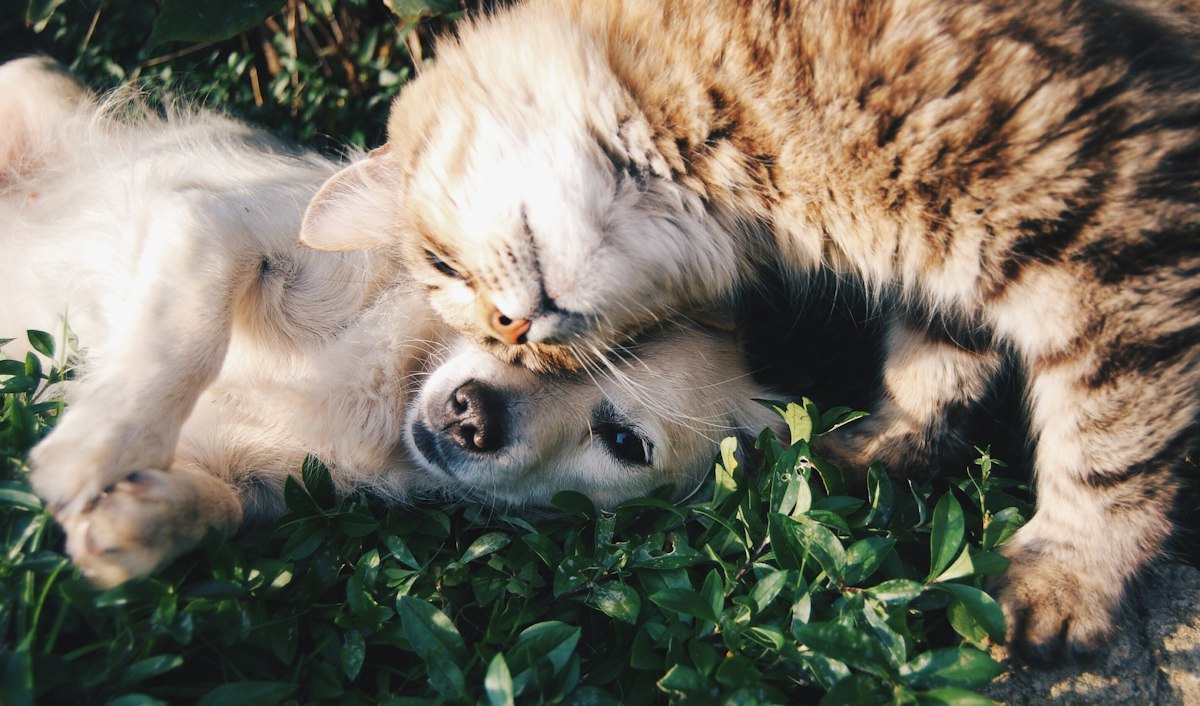
My beagle Cap turned 13 last winter, and it has changed almost every routine in our house. He sleeps more, can't jump on the couch, hates the stairs in the morning, and needs help getting into the car. Senior-dog care is one of the most under-discussed parts of dog ownership, and there's a real ecosystem of events, products, and services built around it that nobody tells you about until you need it.
When 'senior' starts
Small breeds (under 20 lbs) are usually considered senior at 10–11. Medium breeds at 8–9. Large breeds (60+ lbs) at 6–7. Giant breeds (great danes, mastiffs) at 5–6. The 'senior' line matters because vet protocols, food, and exercise should all change.
The senior vet schedule
From the senior line on, your dog should see the vet every 6 months instead of annually. Most senior wellness visits include bloodwork, urinalysis, and a thyroid panel — these catch things like kidney disease, Cushing's, and hypothyroidism in time to manage them well. Dental check-ins matter more too; dental disease is by far the most under-diagnosed issue in senior dogs.
Mobility tools that actually help
- Orthopedic memory-foam dog bed (Big Barker is the gold standard but pricey; Furhaven is the budget pick)
- Carpet runners or rubber-backed rugs over hardwood — slipping is the #1 cause of senior-dog falls
- Car ramp or pet stairs — saves your back and prevents injury jumps
- Couch ramp if your dog is allowed up there
- Toe-grip stickers for slick floors
- Joint supplements with glucosamine and omega-3 (your vet can recommend dose)
Senior-focused events
More cities now have senior-dog meetup groups and events. They run at gentler paces, in shaded areas, with breaks and water stations. Look for events tagged 'senior dogs' or 'gentle pace' on our city pages. Some examples: Chicago's Old Town Bark Park hosts a weekly senior meetup; LA's Westside Dog Park has a Wednesday morning senior session; Seattle's Magnuson Park has informal senior gatherings every other Sunday.
Adopting a senior
Senior adoption is one of the most underrated good deeds in the pet world. Senior dogs are usually housetrained, calmer, less likely to chew furniture, and they bond hard. The downside is shorter time together and higher upfront vet costs. Rescues like Muttville (San Francisco), Susie's Senior Dogs (national), and Old Friends Senior Dog Sanctuary specialize in placing seniors and usually waive or reduce adoption fees.
Diet changes
Senior dogs need more protein, not less (the old advice was wrong). Look for foods that are 25%+ protein with moderate fat and added joint support. Wet food becomes more attractive as teeth get worse. Smaller, more frequent meals (3x/day instead of 2x) help with digestion. Always transition to new food over 7+ days.
Cognitive decline
Canine cognitive dysfunction (CCD) is the dog version of dementia. Signs: pacing at night, getting stuck in corners, staring at walls, accidents in the house from an otherwise trained dog, decreased response to known commands. There's a prescription medication (selegiline / Anipryl) that helps, and dietary interventions (MCT oil, antioxidants) that have decent evidence behind them. Talk to your vet early; CCD is much more manageable when caught early.
The quality-of-life conversation
Every senior-dog owner eventually faces the question of when to say goodbye. There's no formula, but most vets recommend tracking three things over time: appetite, mobility, and engagement (interest in people, toys, food, walks). When two of those three have been substantially diminished for more than a month, it's time for a real conversation with your vet. In-home euthanasia services like Lap of Love exist in most metros and let your dog spend the final moments at home, surrounded by family.
Tip: Take photos and videos through the senior years. Future you will be grateful. So will your kids if there are any.
Finding senior-friendly events near you
Our city pages let you filter by 'senior dogs' or by gentler categories like Wellness and Social. Senior-specific adoption events are tagged on the adoption page.